Bergamo 2026 Call for Proposals
Conference Theme
Curriculum in a World of Borders: Engaging Decolonial Struggles and Confronting Imperial Legacies
At the 2026 Bergamo Conference, we invite curriculum theorists, educators, and scholars to confront the ways curriculum operates within—and against—a world increasingly organized through borders: geopolitical, epistemic, racialized, and institutional. These borders are neither accidental nor neutral. They are the living residues of imperial histories and the active instruments of contemporary governance, enforcement, and exclusion.
Curriculum theory has long claimed a critical relationship to power, knowledge, and emancipation. Yet this moment demands renewed scrutiny of our own habits of thought and practice. As Edward W. Said reminds us, intellectual life is most endangered not by overt repression, but by the internalization of caution—by the quiet avoidance of principled positions in the name of balance, objectivity, or professional safety. In the face of profound injustice, neutrality does not function as distance; it functions as complicity.
Reflecting on this charge that the intellectual must resist the temptation to look away—to refuse the comforts of moderation when truth demands clarity, and to speak even when doing so invites discomfort, controversy, or risk. In a time marked by the militarization of borders, the expansion of federal enforcement regimes, and the reassertion of imperial logics under new names, curriculum theory must ask itself difficult questions about its own location, silences, and possibilities.
We invite participants to engage in questions such as:
• How are the colonized and racialized societies (aka Global South) positioned, represented, or marginalized in contemporary curriculum conversations, knowledge production, and educational reform agendas?
• In what ways do modern federal enforcement practices—including immigration regimes, surveillance, and detention—echo the logics and functions of historical instruments such as the Fugitive Slave Acts, which nationalized racialized control and criminalized solidarity?
• How do our curricular theories, pedagogies, and institutional practices perpetuate imperial legacies, even when framed as progressive, inclusive, or global? Where do we see acts of resistance?
• What does genuine solidarity with the historically colonized and racialized societies require beyond inclusion, representation, or comparative analysis? How might it demand epistemic humility, material accountability, and political clarity?
• What role can curriculum play in cultivating abolitionist imagination—not only as a critique of carceral and colonial systems, but as a generative space for liberation, collective futures, and ethical responsibility?
In centering these questions, the Bergamo Conference calls for a curriculum theory that refuses retreat into abstraction, that recognizes the political stakes of knowledge, and that embraces the role of the intellectual as an unafraid and compassionate witness to injustice. This is an invitation not merely to analyze the world of borders, but to interrogate how curriculum itself might become a site for crossing, unsettling, and ultimately dismantling them. How is the Global South positioned in today’s curriculum conversations?
Keynote Speakers:
Karim Mattar, Associate Professor, English, University of Colorado- Boulder
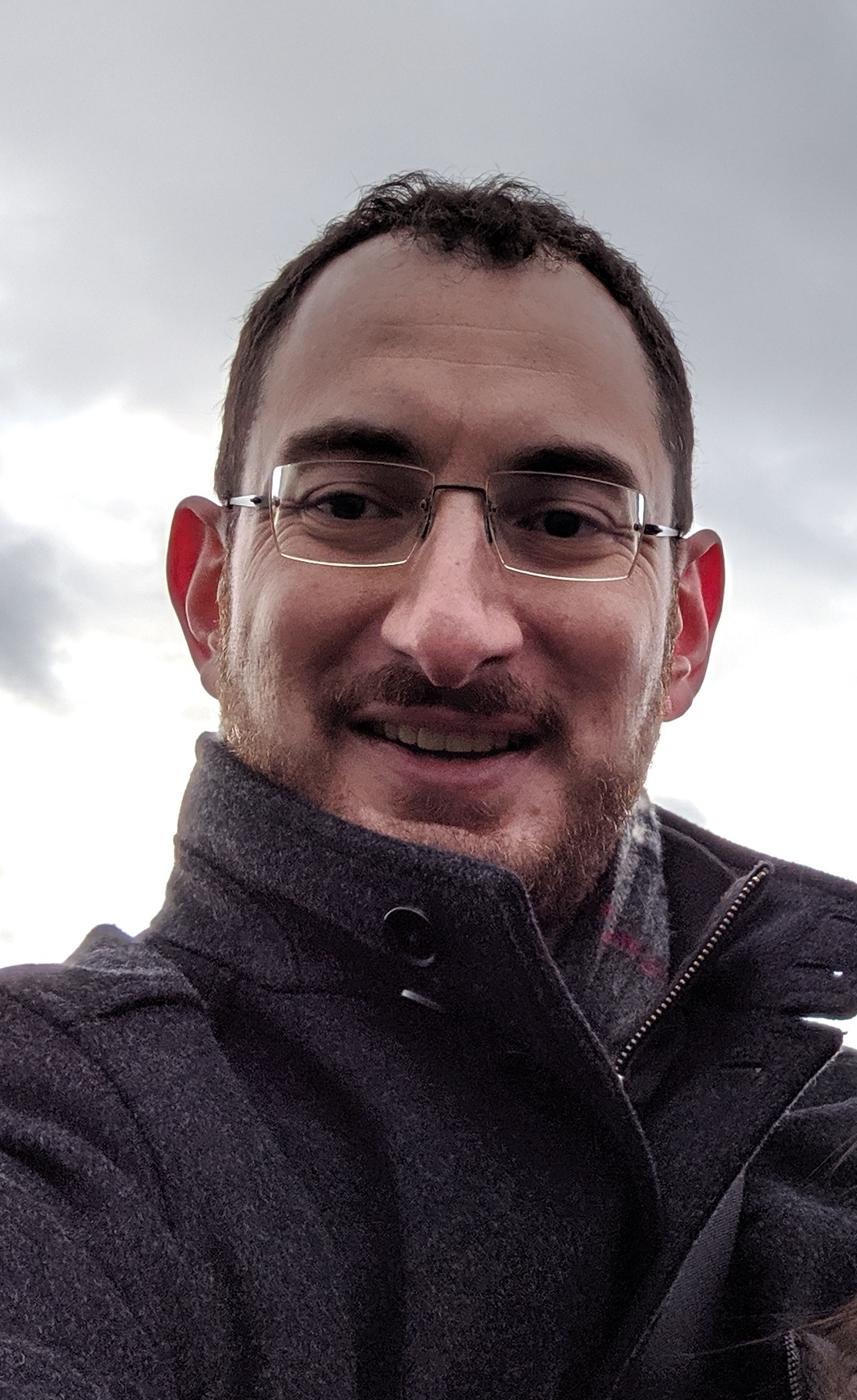
Karim Mattar’s work engages Palestine studies, the humanities, and higher education. A descendant of survivors of the Palestinian Nakba of 1948, his scholarship and public work explore questions of culture, memory, and responsibility across generations. He is the author of Specters of World Literature: Orientalism, Modernity, and the Novel in the Middle East and co-editor of The Edinburgh Companion to the Postcolonial Middle East, and is currently completing two book projects focused on ethics, pedagogy, and Palestine.
In addition to his academic work, Mattar is an active community organizer and public intellectual, working locally and nationally to advance conversations around Palestinian literature, history, and academic freedom. His teaching and research span comparative Middle Eastern literatures, critical theory, and the role of higher education in addressing urgent global challenges.
Isabel Nuñez, Professor & Dean, School of Education, Purdue University- Fort Wayne
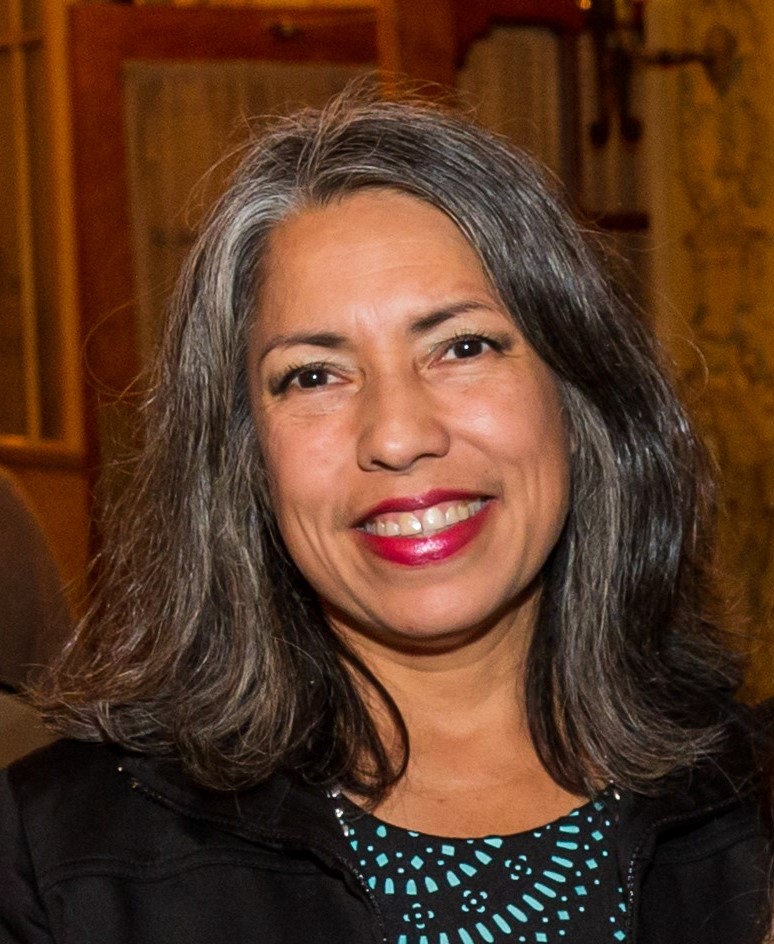
Isabel Nuñez is professor of educational studies and dean of the School of Education at Purdue University Fort Wayne. She holds a Ph.D. in Curriculum Studies from the University of Illinois, Chicago; an M.Phil. in Cultural Studies from Birmingham University; and a J.D. from UCLA Law. She has been a classroom teacher in Los Angeles and Birmingham, England; a newspaper journalist in Tokyo; and a visiting professor at the University of San Francisco. She has published four books with Teachers College Press and a textbook with McGraw Hill. She has authored chapters in books from Peter Lang, Routledge, SAGE, the Oxford University Press, and the Cambridge University Press. Her work has appeared in Curriculum Inquiry, Educational Studies, the Journal of Curriculum Theorizing, and Teachers College Record.
Proposal Guidelines:
We invite proposals for individual papers, panels, symposia, alternative session formats, and artistic contributions that align with the conference theme. Each proposal should include:
- Title
- Abstract (up to 500 words)
- References
- Names and affiliations of all presenters
- Special requests or accessibility needs
Proposal Submission: hum.link/Bergamo2026
Key Dates:
- Deadline to Submit: August 10, 2026
- Notification of Acceptance: August 24, 2026
- Initial Program Release: September 14, 2026
- Early Registration Ending: October 5, 2026
- Conference: October 15–17, 2026
Please direct questions to the Conference Committee at raghasaleh@jctonline.org or tgleason@jctonline.org
Foundation for Curriculum Theory Joins SAVE GSEHD Coalition
The Foundation for Curriculum Theory has joined the SAVE GSEHD Coalition and has signed the open letter calling for the reinstatement of terminated faculty, greater transparency in decision-making, and meaningful engagement with stakeholders regarding the future of GW’s Graduate School of Education and Human Development.
As an organization committed to curriculum scholarship, intellectual freedom, and the humanistic and democratic purposes of education, we are deeply concerned about the implications of these actions for the field of curriculum studies and for education more broadly.
The Board of the Foundation for Curriculum Theory encourages colleagues to read the letter and consider adding their support to this important effort.
Open Letter and sign-on form: https://forms.gle/rrnFfS5KQixNYxBb9
Website (updates and list of signatories): https://sites.google.com/view/savegsehd/save-gsehd
Welcome Message from New Presidents
Dear Friends and Colleagues,
As we embrace the honor of stewarding the Journal of Curriculum Theorizing and the Bergamo Conference, we are humbled by the trust placed in us by this vibrant community. With deep gratitude, we recognize the dedicated contributions of Dr. Thomas Poetter, Dr. Kelly Waldrop, and the entire editorial board (2019–2024), whose leadership has been instrumental in sustaining the radical, critical, and community-centered legacy of JCT and Bergamo.
As we chart new horizons, our vision centers on:
- Addressing contemporary issues with courage and creativity, while ensuring a foundation for future growth.
- Honoring JCT/Bergamo’s legacy of critical and edgy scholarship.
- Keeping community at the heart of all we do—supporting early career scholars and fostering safe, educational spaces.
During Bergamo 2024, Morna McNulty from Towson University offered an inspiring Tarot reading that resonated with the themes of transformation, balance, and vision. Her reading affirmed the collective journey of this community—a journey of innovation, mutual aid, and the courage to challenge the mainstream.
Our gratitude extends to everyone who has offered guidance, support, and kind words during this transition. We invite you to join us in shaping this next chapter, building a space that continues to challenge, inspire, and connect. Together, we will uphold the values that make JCT and Bergamo essential to the field of curriculum studies.
In solidarity and with excitement for what lies ahead,
Dr. Tristan Gleason & Dr. Rouhollah Aghasaleh
Presidents, Foundation for Curriculum Theory
Editors, Journal of Curriculum Theorizing
Happy New Year from JCT

Friends,
Thank you so much for your tremendous personal and professional support of The Journal of Curriculum Theorizing and the Bergamo Conference this past year. We started off with such great energy hosting our first conference as a team with you in Fall of 2019. It was a tremendous meeting, one of the best professional meetings I have ever been involved with. We celebrated our 40th anniversary, had a strong turnout of over 150 registrants, and heard stimulating and challenging papers and presentations along with powerful keynote speeches.
In 2019, building on the steady and great work of the previous editors, Rob Helfenbein and Gabe Huddleston, we published 5 journal issues and we worked through 2020 to publish 4 more outstanding issues of the journal. This required tremendous teamwork and support. We are especially grateful to Kelly Waldrop for her outstanding leadership as managing editor and for the section editors and reviewers who kept the work moving.
Amid the challenges brought on by the pandemic and social upheaval, the cancellation of the 2020 meeting at Bergamo in October had a great impact on our community. We all missed our usual communications about the conference and coming together. The cancellation of the conference was further amplified as we faced challenges with getting reviews completed in a timely manner resulting in some manuscripts not moving as quickly as they should have through the review system. The strain on institutional resources this year has increased the workload for many and the mental stress of the year has affected us all in profound ways. Simply put, these factors impacted the time and energy many of our reviewers and staff were able to sustain for the work. As we move into the new year, we are working as hard and as quickly as we can to regroup and maintain an efficient and timely review process for manuscript submissions.
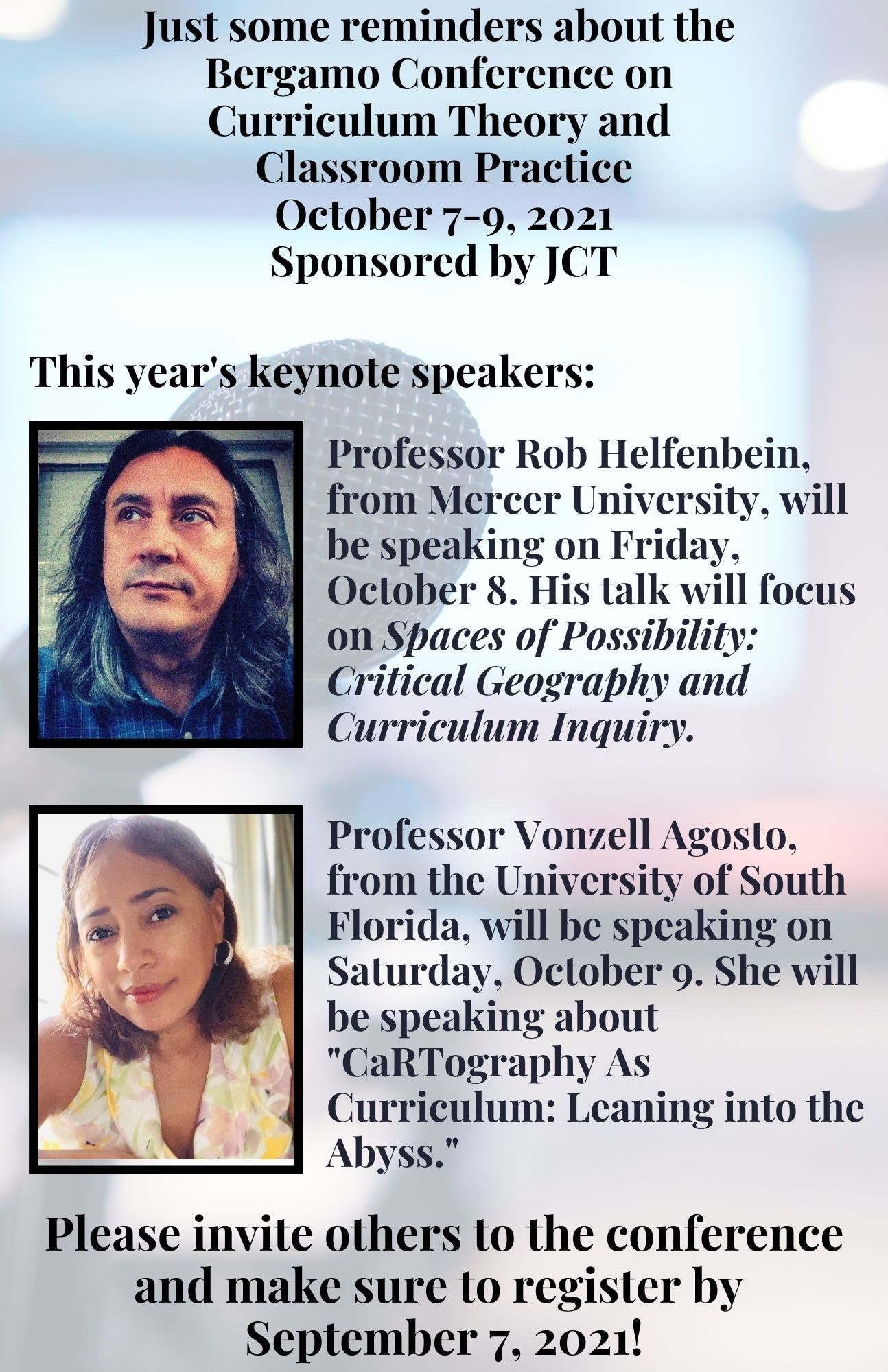
And no matter what, we will have a meeting in October of 2021! We hope it is in person in Dayton, under the theme “Curriculum as Luminous” as we had planned to execute last Fall. Even if we can’t meet in-person, we will hold a virtual meeting and do our best to capture the excitement and excellence of our Bergamo meetings. In the meantime, Cynthia Sanders, our conference program chair, and Kristan Barczak, our co-conference program chair, are working on and planning several Facebook Live and Podcast special programs for the coming year. Please look for announcements about these events in late January and plan to participate. We appreciate those of you who have made suggestions and stayed in touch. Everyone’s effort is necessary to keep the work going. As we look forward to a new year, we ask you to consider investing in our community by volunteering to review manuscripts, writing and submitting your own work, and making plans to join us in 2021 for several new online programs and the annual meeting in October.
Be well and make 2021 a great year with us. We really appreciate the opportunity to serve the field and look forward to many connections with you in the new year.
Best Regards,
Tom Poetter, JCT Editor